
10,000 Birds Birds, Birding and Blogging
- Birding Lodges of the World: Broome Bird Observatory
 by Editor on September 28, 2026 at 11:18 am
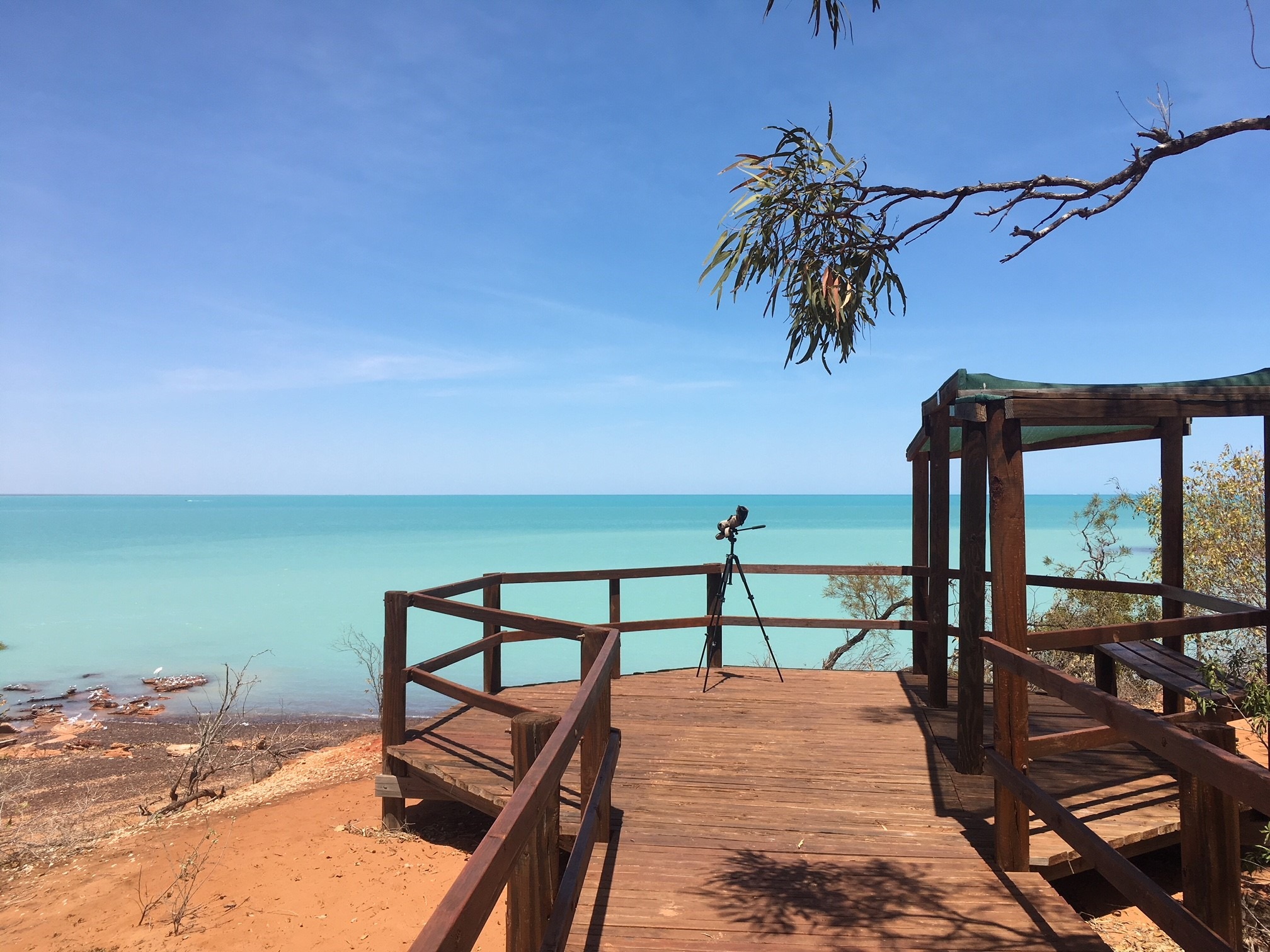
Which bird species do you think is the biggest attraction to visitors of your lodge (please only name one species)? The Asian Dowitcher (Limnodromus semipalmatus). Roebuck Bay provides one of the most reliable places in Australia to see this highly sought-after bird, making it a major drawcard for visiting birders. We have up to a couple of hundred Asian Dowitchers that overstretch their migration and make Roebuck Bay their feeding grounds. We are lucky that we get some that overwinter and spend the whole year here before they begin migrating. What is the name of your lodge, and since when has your lodge been operating? The Broome Bird Observatory (BBO) has been operating since 1988. Located on the spectacular shores of Roebuck Bay in north-western Australia, it is called the Shorebird Capital of Australia due to the upwards of 120,000 that migrate to the bay from Sept through to March. BBO is located only a 2-minute walk from the shores of Roebuck Bay, which is one of the most biodiverse mudflats on Earth. We have air-conditioned accommodation (single, double and family rooms), we have a self-contained 2-bedroom cottage, and 10 sites in our campground (unpowered and for 16ft max camping set up). Our shade house with birdbaths outside it is our camp kitchen. We also have the Clive Minton Discovery Centre, which is open 7 days a week, 8 am – 4 pm. How best to travel to your lodge? Most visitors fly to Broome, Western Australia. From Broome it is approximately a 30 to 40 minute drive to the observatory along Crab Creek Road (4WDs recommended). Many guests hire a vehicle, while the observatory also offers scheduled transfers for tour participants and accommodation stays. What kind of services – except for accommodation and food – does your lodge offer to visiting birders? We offer an extensive range of guided birding tours led by experienced bird guides, including shorebird, mangrove, bush and plains tours, as well as a full-day Coastal Tour. Guests can enjoy self-guided birding around the observatory on walking trails or at the bird baths. We have a species bird list and reference library; we run talks and events as well as 4 birding courses per year. Guests can contribute to citizen science through eBird and iNaturalist, and learn from our knowledgeable staff about the internationally significant Roebuck Bay ecosystem. What makes your lodge special? The Broome Bird Observatory sits within Roebuck Bay, one of the world’s most important shorebird sites and part of the East Asian–Australasian Flyway. Over 339 bird species have been recorded here. Visitors can watch thousands of migratory shorebirds feeding and roosting just metres away while also exploring mangroves, pindan woodland, mudflats and saltmarsh—all within one location. Our passionate guides, relaxed atmosphere and strong conservation focus create a unique birding experience. What are the 10 – 20 most interesting birds that your lodge offers good chances to see? Some of the most sought-after species include: Yellow Chat Asian Dowitcher Great Knots and Red Knots Bar-tailed and Black-tailed Godwits Eastern Curlew Curlew Sandpiper Mangrove Golden Whistler White-breasted Whistler Dusky Gerygone Oriental and Australian Pratincole Australian Bustard Black-necked Stork. A true highlight is seeing mixed flocks of thousands of migratory shorebirds roosting along the shores of the bay. What is the best time to visit your lodge, and why? The best time depends on your interests. March and April are exceptional for witnessing the departure of migratory shorebirds as thousands gather before flying to their northern breeding grounds. August to October offers excellent shorebird diversity as migrants return in breeding plumage, while the cooler dry season provides comfortable birding conditions and excellent inland birding for visiting the plains to see Yellow Chats and Brolgas. Is your lodge involved in conservation efforts? If yes, please describe them. Yes. Conservation is at the heart of everything we do. The observatory is auspiced by BirdLife Australia and supports research, long-term bird monitoring, education programs, citizen science, guided interpretation and habitat protection. We work closely with Traditional Owners, researchers, volunteers and conservation organisations to protect Roebuck Bay and the migratory birds that depend on it. Each year the Australian Wader Study Group comes to BBO to run an expedition to flag and tag migratory shorebirds. We also do regular leg flag scanning of the migratory birds to add to the Birdmark database. Yellow Chat What other suggestions can you give to birders interested in visiting your lodge? Bring binoculars, a spotting scope if you have one, or you can rent one from us or use one of ours on tour. We recommend sun protection, insect repellent, a reusable water bottle, and lightweight clothing suitable for tropical conditions. A camera with a telephoto lens is ideal for photography. Booking guided tours in advance is recommended, particularly during the peak migration seasons. Be prepared for warm weather and extraordinary wildlife encounters. Do you have activities for non-birders? If so, please describe. Absolutely. Roebuck Bay is renowned for its spectacular sunsets, red sand beaches, incredible landscapes and rich Aboriginal cultural significance. Non-birders enjoy photography, nature walks, wildlife watching (wallabies and dingos), learning about the ecology of the bay, and simply relaxing in one of Australia’s most remarkable coastal environments. If any reader of 10,000 Birds is interested in staying at your lodge, how can they best contact you? The easiest way to contact us is via our website to book online for camping, accommodation or tours: www.broomebirdobservatory.com email at broome@birdlife.org.au telephone +61 8 9193 5600. Our friendly team is happy to help plan your visit. Is there anything else you would like to share with the readers of 10,000 Birds? Whether you are an experienced world birder chasing Australian endemics and migratory shorebirds, or someone discovering birds for the first time, we would love to welcome you to the Broome Bird Observatory. Many visitors arrive planning to stay a few days and leave wishing they had booked much longer! Photos by Jamie van Jones
- Birding and Depression
 by Kai Pflug on September 28, 2026 at 11:00 am
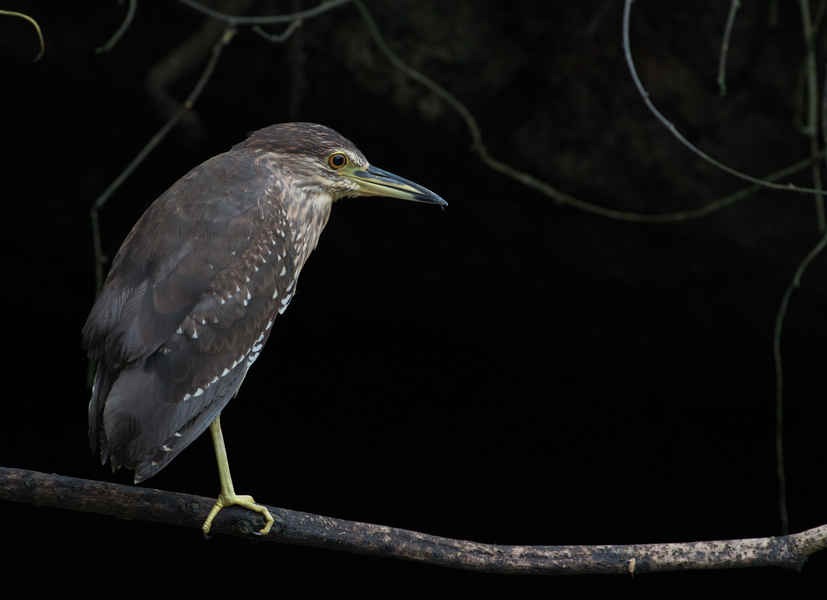
Every now and then, an article is published on the health benefits of birding — and given that the maintenance of this site depends on a few ads from birding companies, we are always delighted to notice them. However, a more interesting question is whether birding is an activity that is particularly attractive to people who are prone to depression. Unfortunately, there seems to be no conclusive research on this. However, there are some reasons to believe that people who are introverted, a bit obsessive, or prone to depression might be particularly attracted to birding: Birding is an activity that does not necessarily require much social interaction. Birding provides a clear target: finding and identifying a bird. Consequently, it also provides small, tangible rewards. It can provide moments of intense absorption, even though these moments may require long and sometimes miserable waiting times. Again, this does not mean birding causes depression. It just means that somebody prone to depression might be more likely to turn to birding than to, say, ballroom dancing. Photo: A (potentially depressed) juvenile Black-crowned Night Heron, Singapore, December 2015
- Barn Owl dawn
 by David T on September 27, 2026 at 1:30 pm
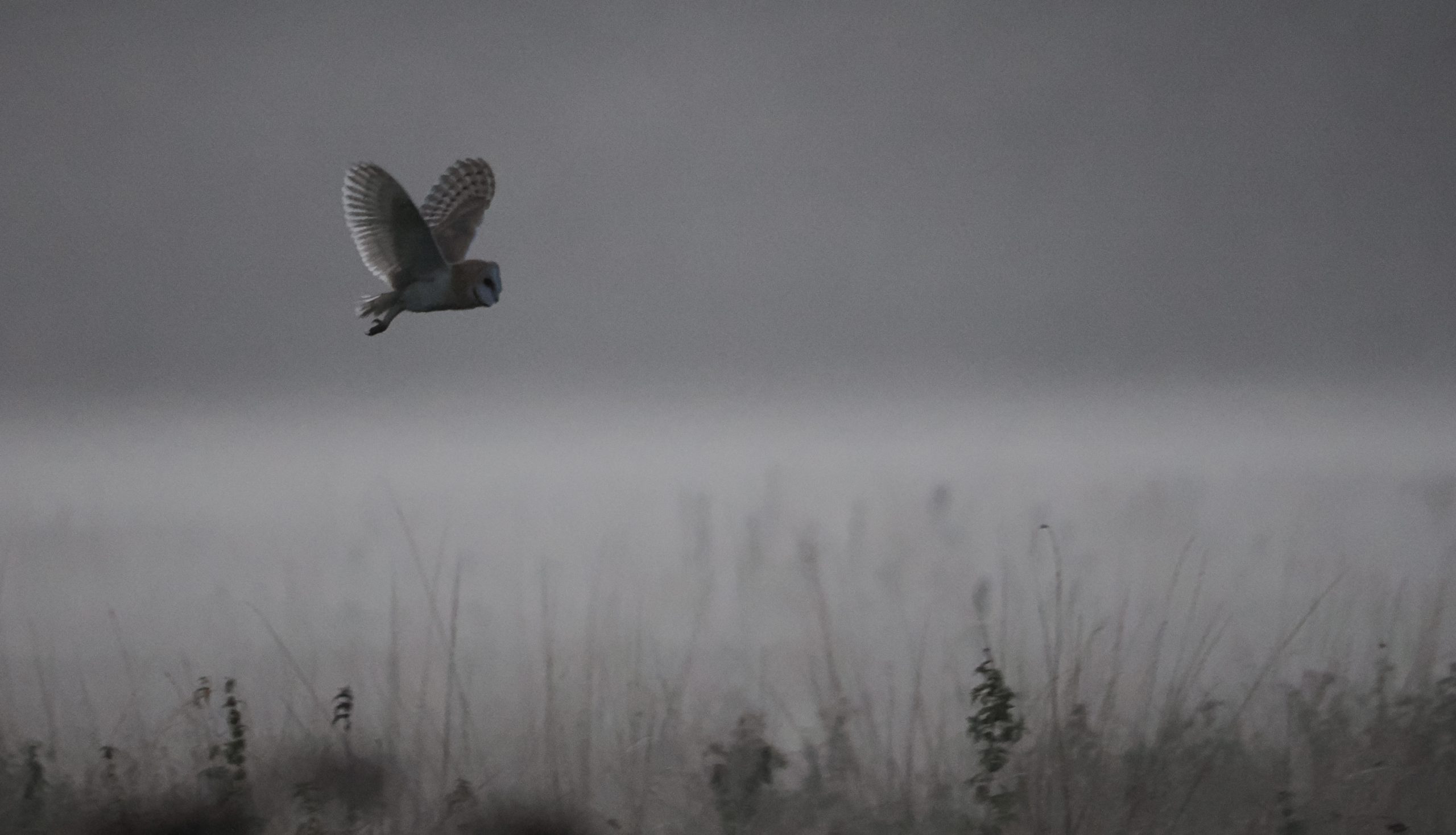
the hunting owl emerged suddenly from the mist, as if by magic, only to disappear once again
- Socotra Island – Jewel in the Indian Ocean
 by Rolf Nessing on September 27, 2026 at 11:00 am
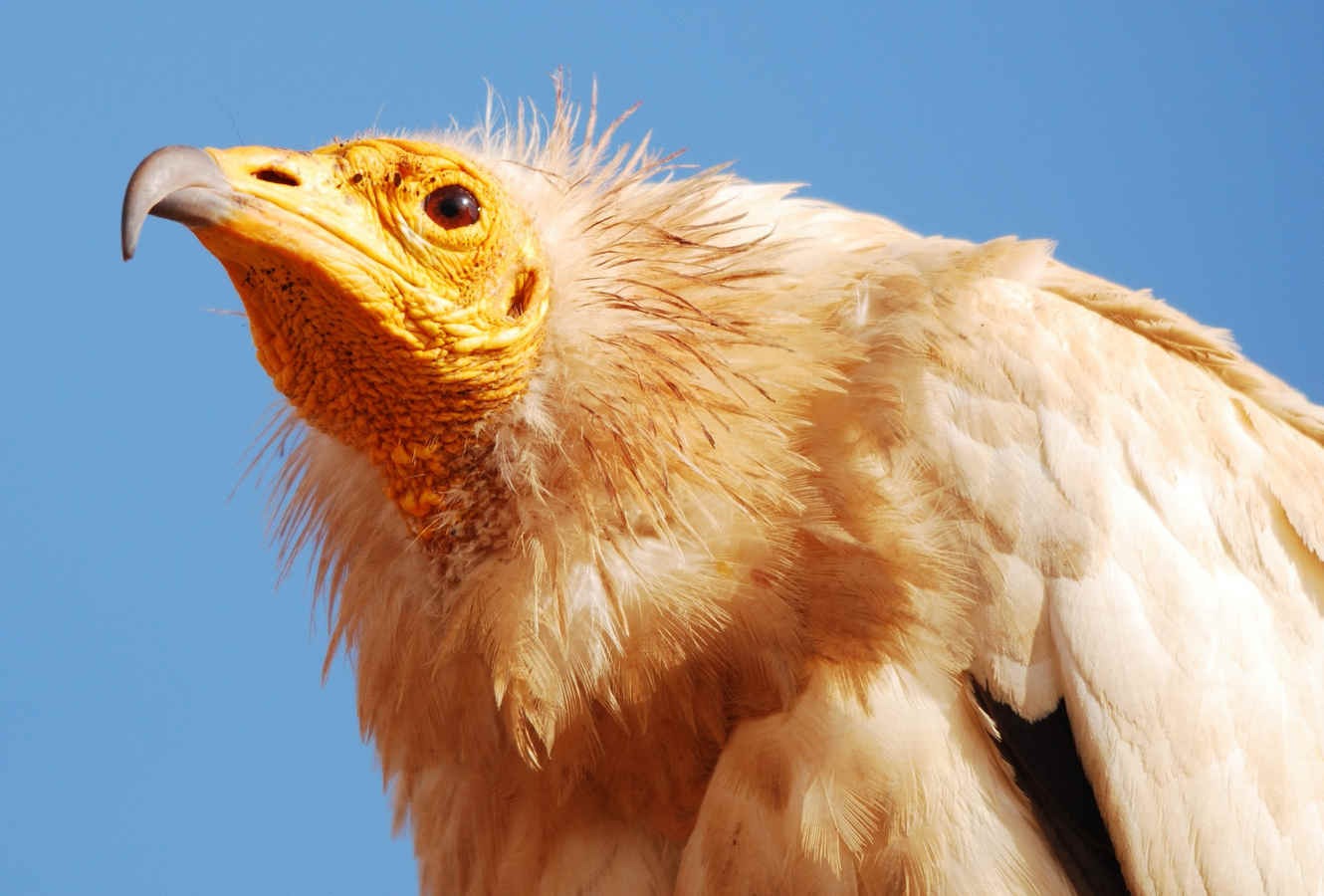
I’m often asked, “Where have you been birdwatching lately?” When I answer, “I was on the island of Socotra again,” the question usually follows: “Where is that?” It’s located in the Indian Ocean, east of the Horn of Africa, and, at least legally, belongs to Yemen. I’ve always been interested in parts of the world where there are few birdwatchers and nature lovers. In 2020, it was finally Socotra’s turn. Even the outbound flight was a challenge: You can’t buy tickets online. I know a ticket agent and bought the tickets there myself. Concerned contemporaries might now be asking: Isn’t a visit to Socotra dangerous? I visit the island of Socotra annually and have never had a bad experience. Flights to the island of Socotra don’t depart from the Yemeni mainland, but from other Arab states. Currently, there is only one round-trip flight per week on a Boeing passenger plane. This passenger plane is usually fully booked, partly with locals, but mostly with globetrotters aiming to visit all 193 UN-recognized states, as well as the Vatican and Palestine. Since a visit to the Yemeni mainland is too dangerous for many, the peaceful island of Socotra is the destination. Dragon blood tree If you ask AI: Socotra is home to an extraordinary number of endemic species, including the distinctive dragon blood tree, the endemic bat species Hypsugo ianzai, the Socotra falcon, the Socotra scops owl, and various reptiles and land snails that have evolved in isolation from the mainland over millions of years. This biodiversity makes Socotra the “Galapagos of the Indian Ocean” and is an outstanding example of evolutionary processes and adaptations to unique environmental conditions. Dragon Blood Tree Forest Socotra’s separation from the African continent and its subsequent ecological isolation, with the development of its own species and subspecies, began about 20 million years ago. An area of approximately 3,625 km² – roughly the size of the island of Mallorca (Spain) – is home to around 850 higher plant species and ferns. At least 230 of these are endemic, meaning they occur exclusively on Socotra. The number of endemic plant species per square kilometer is the fourth largest in the world (after the Seychelles, New Caledonia, and Hawaii). Socotra sparrow Endemic bird species include the Socotra sparrow (approx. 330,000), the Socotra sunbird (approx. 66,000), the Socotra golden-winged grosbeak (approx. 17,000), the Socotra warbler (approx. 27,000), the Socotra cisticola (approx. 9,000), the Socotra starling (approx. 25,000), the Socotra bunting (approx. 3,800), the Socotra buzzard (approx. 800), the Socotra scops owl (>2,000), and the Jouanin petrel (approx. 4,000). The Socotra Cormorant (6,000–12,000) flies as far as the Arabian Gulf, and the Forbes-Watson Swift is virtually endemic. Twenty-nine endemic reptiles live on Socotra. Socotra starling Socotra Scops Owl Habitat of Socotra Scops Owl Birdwatchers who want to get to know the 10,000 bird species better must visit this island to see these endemic bird species! Since 2021, I have been leading birdwatching and nature tours on the island of Socotra. Socotra is not a vacation island—it is a hidden gem for flora and fauna! Upon first arrival at Socotra Airport, I was able to see dozens of Egyptian vultures. Socotra is home to around 1,900 Egyptian vultures – the highest population density of this endangered bird species in the world. Egyptian vultures are omnipresent, whether in the island’s capital, Hadiboh, on the beach or at a picnic under palm trees. Egyptian vultures Depending on the water level, the larger water areas in the lower reaches of the Wadis Serhin and Suq are inhabited by many Black-winged Stilts, other waders, duck species, Sooty Gull, and the rarer Indian Pond Heron. Surprises in birds are always possible here. For the Crested Coot, the first brood record for the Island of Socotra was provided in February 2020 by me. Crested Coot or Red-knobbed Coot The Qaria Lagoon boasts a rich birdlife. The rare and very beautiful Bruce’s Green Pigeon and the endemic Socotra Warbler breed in the bushes surrounding the lagoon. The mountains near Homhil are home to unique vegetation. The Abyssinian Eye-White and the endemic Socotra Sparrow live here. Somali Starlings are not uncommon and hard to miss in the villages. Here you can expect to see Desert Wheatears, Isabelline Wheatears, Long-billed Pipits, Southern Grey Shrikes (Lanius meridionalis uncinatus), Black-crowned Finches, and Lichtenstein’s Sandgrouse. Southern Grey Shrike The Ayhaft Canyon National Park south of Qadhub is one of the most beautiful wadis on Socotra. The sandstone and granite rocks stretch between 50 and 800 m above sea level. A unique vegetation awaits us here. Ayhaft Canyon Wadi Ayhaft has been placed under protection as an IBA (Important Bird Area). In addition to Egyptian vultures, up to five pairs of the endemic Socotra buzzard breed here. Abyssinian White-eye, Socotra Golden-winged Grosbeak, Socotra Sunbird, Bruce´s Green Pigeon and Socotra Sparrow live in this gorge. The most common bird species here is the Laughing Dove. There is a small pond further up in the wadi. The Socotra Freshwater Crab lives here. Near the Indian Ocean lives the endemic Socotra Cisticola. The dwarf stocks of Zygophyllum, Suaeda and Pulicaria around Ghubbah are said to contain more than 2,500 Socotra Cisticola, i.e. more than 25% of the world population. The Diksam National Park consists of granite and limestone slopes. Here there are light forests of Dracaena cinnabari, the Dragon’s Blood Tree – a landscape like one from a distant time. Uniquely beautiful! In the national park we will surely see the ubiquitous Egyptian Vulture, which has its nests on the steep walls in the numerous caves and niches. The rarer Socotra Buzzard and the Brown-necked Raven breed on the steep walls. The endemic Socotra Starling breeds in buildings in small villages and is not so shy there. Diksam National Park The Detwah Lagoon is a wetland of international importance protected by the RAMSAR Convention. A fishing boat cruise on the Indian Ocean offers the opportunity to observe typical seabirds such as Masked Boobies, Brown Boobies, and Red-billed Tropicbirds,…
- Three Photos: Fairy Pitta
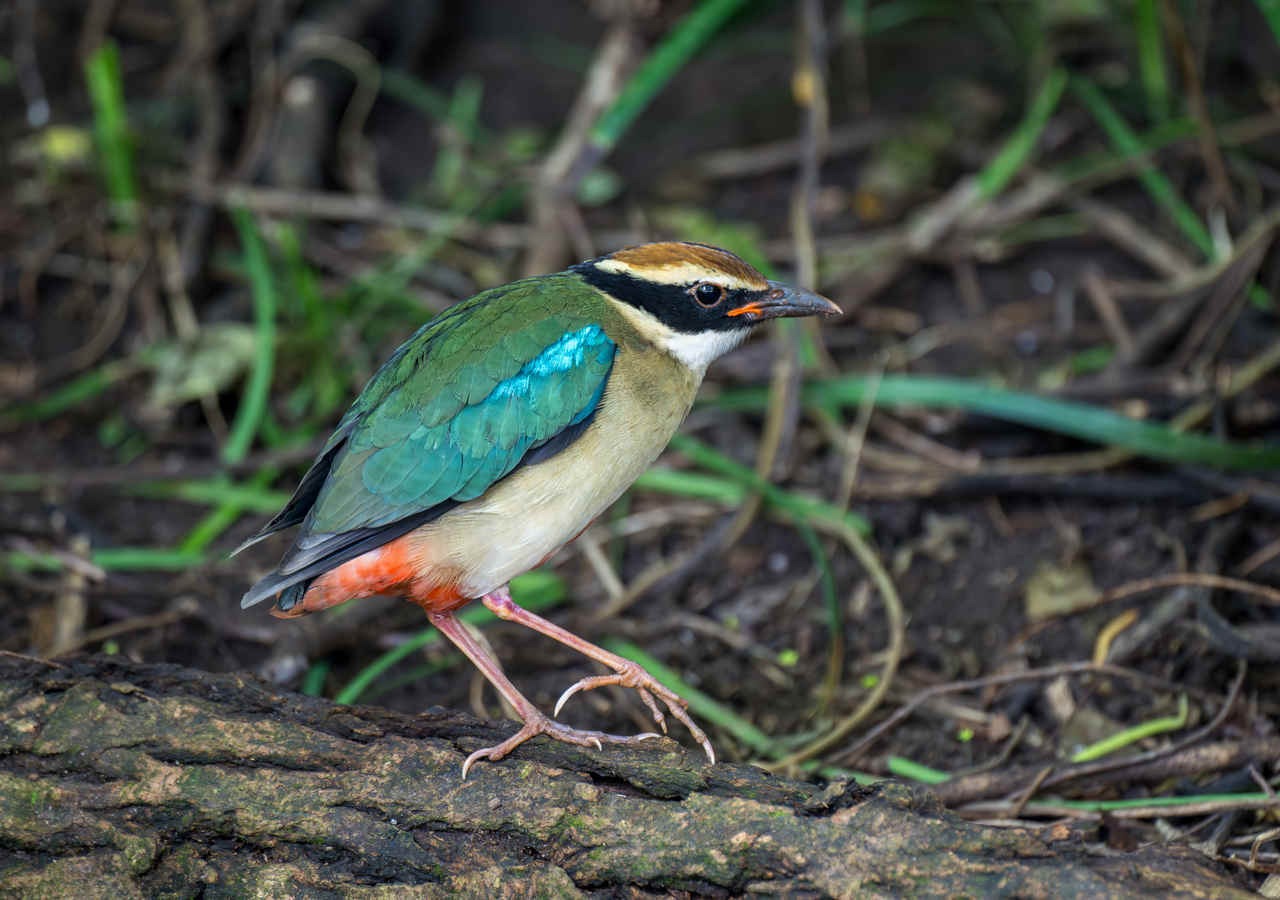 by Editor on September 27, 2026 at 11:00 am
Photos taken by Kai Pflug at Nanhui, Shanghai, on Sep 21, 2026